Threading vs Waxing The Ultimate Guide to Hair Removal Methods

Hair removal is a personal choice that depends on your skin type, pain tolerance, and desired results. Two popular methods, threading and waxing, offer distinct experiences and outcomes. Understanding their differences helps you pick the best option for your beauty routine. This guide breaks down the mechanics, pros and cons, and care tips for both methods so you can make an informed decision.
Understanding Waxing: The Speed Specialist
Waxing is a widely used hair removal technique known for its speed and effectiveness on larger areas. It involves applying wax to the skin and quickly removing it to pull hair out from the root.
How Waxing Works
Types of Wax
- Soft Wax: Applied thinly and removed with cloth strips. Ideal for large areas like legs, arms, and back.
- Hard Wax: Applied thicker and hardens on the skin. Removed without strips by lifting the wax edge. Best for sensitive areas like the face, bikini line, and underarms.
Best Zones for Waxing
- Body: Legs, arms, back, chest
- Face: Upper lip, chin, sideburns, eyebrows (with caution)
Waxing removes hair quickly over large surfaces, making it a go-to for full-body hair removal sessions.
Pros of Waxing
Speed: Waxing covers more skin in less time compared to threading, especially on large areas.
Exfoliation: Waxing removes dead skin cells along with hair, leaving skin smoother.
Longer-lasting results: Hair takes about 3 to 6 weeks to regrow after waxing, depending on individual growth cycles.
Cons of Waxing
Skin lifting and irritation: Wax can pull on the skin, causing redness, sensitivity, or even minor skin lifting if not done properly.
Burn risk: Hot wax can burn the skin if overheated or applied incorrectly.
Ingrown hairs: Waxing can sometimes cause hair to grow back under the skin, leading to bumps and discomfort.
Not suitable for all skin types: People using retinol or Accutane should avoid waxing due to increased skin fragility.

Head-to-Head Comparison
Choosing between threading and waxing depends on several factors including pain, precision, skin safety, and how long the results last.
Pain Factor
Threading: Feels like a sharp snap as the thread pulls individual hairs. The sensation is quick but can be intense, especially on sensitive areas like the eyebrows.
Waxing: Feels like continuous pinching or tugging as the wax strip is pulled off. The pain lasts a bit longer but is spread over a larger area.
Pain tolerance varies, but many find threading less painful for small facial areas and waxing more tolerable for larger zones.
Precision
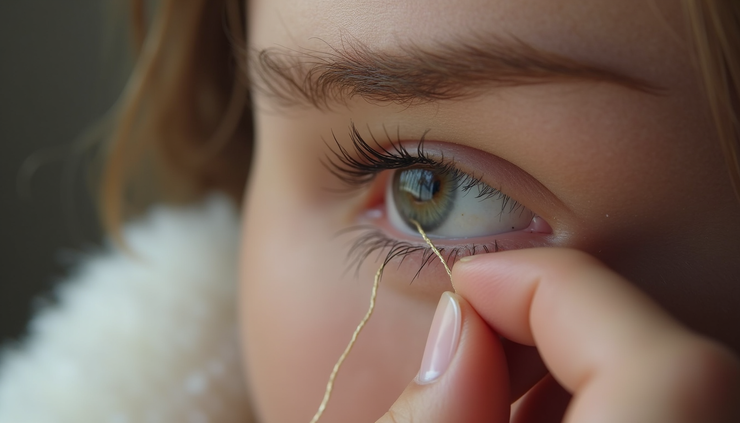
Threading: Offers high precision, making it ideal for shaping eyebrows and removing fine facial hair. It can target single hairs with accuracy.
Waxing: Better suited for removing peach fuzz and larger patches of hair quickly but less precise for detailed shaping.
For eyebrow shaping, threading is often preferred. For legs or arms, waxing is more efficient.
Skin Safety
Both methods can irritate skin but waxing carries higher risks for those on skin-thinning medications like retinol or Accutane.
Waxing can cause burns or skin lifting if done improperly.
Threading is gentler on the skin surface but may cause redness or minor abrasions if done aggressively.
Always inform your aesthetician about any skin treatments or sensitivities before choosing a method.
Longevity
Waxing: Damages hair follicles more deeply, often resulting in slower regrowth and finer hair over time. Results typically last 3 to 6 weeks.
Threading: Removes hair from the root but may not affect follicle strength as much. Regrowth usually occurs within 2 to 4 weeks.
Waxing generally offers longer-lasting smoothness, but threading can be better for maintaining delicate facial areas regularly.
Pre- and Post-Care Blueprint
Proper care before and after hair removal can reduce discomfort and prevent skin issues.
24 Hours Before
Hair length: Hair should be about ¼ inch long for waxing to grip properly. Threading works well with shorter hair but avoid shaving right before.
Avoid heavy creams or oils: These can interfere with wax adhesion or threading grip.
Manage sensitivity: Avoid exfoliating or using retinol products 24 hours before to reduce irritation risk.
24 Hours After
No makeup: Applying makeup can clog pores and increase the chance of breakouts on freshly treated skin.
Avoid sweating: Exercise or heat can irritate skin and cause inflammation.
Hands off: Touching the area can introduce bacteria and cause pimples or infections.
Best Ingredients for Aftercare
Aloe vera: Soothes redness and hydrates skin without clogging pores.
Witch hazel: Acts as a gentle astringent to reduce inflammation and prevent infection.
Avoid pore-clogging oils: Heavy oils can trap dirt and cause breakouts on sensitive skin.
Following these care steps helps maintain smooth skin and reduces side effects.

Conclusion & Verdict Checklist
Choosing between threading and waxing depends on your skin type, pain tolerance, and hair removal goals.
Choose Threading if
You want precise eyebrow shaping or facial hair removal
You have sensitive skin prone to irritation from wax
You prefer a chemical-free, natural method
You want to avoid burns or ingrown hairs
You need quick touch-ups between waxing sessions
Choose Waxing if
You want fast hair removal over large areas like legs or arms
You prefer longer-lasting results with slower regrowth
You don’t have skin conditions or medications that increase sensitivity
You want exfoliation benefits along with hair removal
You are comfortable with the sensation of waxing
Both methods have their place in a well-rounded beauty routine. Consult a professional aesthetician to discuss your skin type and preferences before booking your appointment.
Ready to experience smooth, hair-free skin? Book a session with a skilled aesthetician today and discover which method suits you best.


Comments